20V vs 18V Rotary Hammers: Which Should You Buy?
Compare 20V vs 18V rotary hammer specs. We analyze impact energy, motor type, and vibration control for 2 tools to help you choose.
By GaugeKit Editorial Team 6 min read
As Amazon Associates, we earn from qualifying purchases. This means we may receive a small commission at no extra cost to you if you click through and make a purchase.
As an Amazon Associate we earn from qualifying purchases. Links on this page are affiliate links.
When choosing between a 20V vs 18V rotary hammer, you face two capable cordless options. Both tools feature brushless motors for efficient runtime and durability. The main difference lies in their power systems and chuck designs. One uses a 20V MAX platform with an SDS chuck, while the other relies on an 18V M18 system with an SDS-Plus chuck. Understanding these spec differences helps you select the right tool for your specific drilling needs.
Voltage
20V MAX
18V
Chuck Type
SDS
SDS-Plus
Impact Energy
2.1 Joules
not listed
Weight
6.4 pounds
7.54 pounds
Choose the first if
- You need higher impact energy for faster concrete drilling.
- You prefer a lighter tool for overhead work.
- You are already invested in the 20V MAX battery ecosystem.
Choose the second if
- You require an AUTOSTOP feature to prevent bit binding.
- You need compatibility with a wide range of M18 tools.
- You prefer the standard SDS-Plus chuck system.
Verdict
The DEWALT model offers more impact energy and a lighter weight, making it better for heavy-duty concrete work. The Milwaukee option provides binding protection and fits into a broader 18V system. Choose based on your existing battery platform and specific drilling requirements.
20V vs 18V Rotary Hammer Specs
Impact Energy
Edge: DEWALT 20V MAX SDS Cordless Rotary Hammer
The DEWALT DCH273B delivers 2.1 Joules of impact energy. This metric measures the force of each hammer blow into concrete. Higher joules mean faster drilling in hard materials. The Milwaukee 2912-20 does not list impact energy in its published specifications. Without this data point, you cannot directly compare the raw striking power of the Milwaukee tool against the DEWALT unit. For heavy-duty concrete work, the known 2.1 Joules gives the DEWALT a clear advantage in measurable performance.
Chuck Type
Edge: Milwaukee M18 FUEL 1-Inch SDS-Plus Rotary Hammer
Chuck compatibility determines which bits you can use. The DEWALT DCH273B uses a standard SDS chuck. The Milwaukee 2912-20 features an SDS-Plus chuck. SDS-Plus is the industry standard for most rotary hammer bits, offering a wider selection of accessories. The DEWALT SDS chuck may accept standard SDS bits, but the specific interface is not detailed. For most users, the SDS-Plus system on the Milwaukee provides broader bit compatibility and easier accessory changes.
Weight
Edge: DEWALT 20V MAX SDS Cordless Rotary Hammer
Weight affects fatigue during overhead or prolonged use. The DEWALT DCH273B weighs 6.4 pounds as a bare tool. The Milwaukee 2912-20 weighs 7.54 pounds. The DEWALT unit is significantly lighter by over a pound. This difference matters when hanging rods or mounting hardware on ceilings. The lighter DEWALT tool reduces user strain during extended periods of use. If you prioritize maneuverability and reduced fatigue, the DEWALT offers a tangible benefit over the heavier Milwaukee competitor.
Motor Type
Edge: Tie
Both tools utilize brushless motors. The DEWALT DCH273B features a brushless motor paired with a durable German-engineered mechanism. The Milwaukee 2912-20 also uses a brushless motor design. Brushless motors provide better efficiency and longer runtime compared to brushed alternatives. Since both manufacturers include this technology, there is no statistical difference in motor type between the two options. Both tools offer modern, efficient power delivery for sustained operation in various construction tasks.
Drilling Capacity
Edge: Milwaukee M18 FUEL 1-Inch SDS-Plus Rotary Hammer
Maximum drilling capacity defines the largest hole size the tool can handle. The Milwaukee 2912-20 specifies a drilling capacity of 1 inch. This indicates it can effectively drill large holes in masonry or concrete. The DEWALT DCH273B does not list a maximum drilling diameter in its key specifications. Without this data, you cannot confirm if the DEWALT matches the Milwaukee's 1-inch capability. For projects requiring large-diameter holes, the Milwaukee provides verified performance data that the DEWALT lacks.
Which 20V or 18V rotary hammer fits you
Users needing vibration reduction for long tasks
Our pick: DEWALT 20V MAX SDS Cordless Rotary Hammer
The DEWALT DCH273B includes SHOCKS ACTIVE VIBRATION CONTROL. This system reduces vibration at the handles. You benefit from less fatigue during extended use. The 2.1 Joules of impact energy ensures fast drilling. The lightweight 6.4-pound design aids overhead work. This combination supports rod hanging and cable mounting efficiently.
Professionals drilling large holes in concrete
Our pick: Milwaukee M18 FUEL 1-Inch SDS-Plus Rotary Hammer
The Milwaukee 2912-20 handles 1-inch diameter holes. Its AUTOSTOP Control senses bind-ups to protect the tool. This feature enhances safety during deep drilling tasks. The brushless motor provides consistent power for tough materials. The 18V M18 system offers compatibility with over 200 solutions. This makes it a robust choice for structural concrete work.
Workers prioritizing compact size and mode selection
Our pick: DEWALT 20V MAX SDS Cordless Rotary Hammer
The DEWALT DCH273B measures 13 inches in length. It features a rotating dial for three application modes. You can switch between drill, hammer drill, and chip modes easily. The compact form factor fits tight spaces well. The brushless motor ensures efficient runtime. This tool is ideal for clamp and rail mounting tasks.
| # | Product | Best for | Price |
|---|---|---|---|
| 1 | DEWALT 20V MAX SDS Cordless Rotary Hammer | overhead structural mounting and vibration control | |
| 2 | Milwaukee M18 FUEL 1-Inch SDS-Plus Rotary Hammer | M18 system users needing bind-up protection |
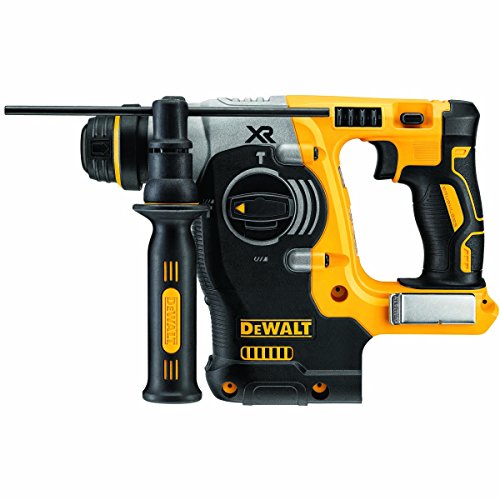
DEWALT 20V MAX SDS Cordless Rotary Hammer
Best for: overhead structural mounting and vibration control
- Voltage
- 20V
- Impact Energy
- 2.1 Joules
- Chuck Type
- SDS
- Operating Modes
- Drill, Hammer Drill, or Chip
- Motor Type
- Brushless
- Power Source
- Cordless
This DEWALT 20V MAX rotary hammer delivers 2.1 Joules of impact energy for fast concrete drilling. Its brushless motor and German-engineered mechanism support efficient runtime. The tool features an Active Vibration Control system to reduce handle vibration. It offers three application modes: drill, hammer drill, and chip. Weighing 6.4 pounds, it balances power with a lightweight design for overhead tasks.
- 2.1 Joules of impact energy for concrete
- Brushless motor for efficient performance
- Active Vibration Control reduces handle vibration
- Three application modes via rotating dial
- Heavier at 6.4 pounds than some competitors
- Lower impact energy than 18V alternatives
- Sold as a bare tool only
- You need vibration reduction for extended use
- You work with overhead rod hanging
- You prefer a 20V MAX platform
- You require a tool with a battery included
- You need higher impact energy than 2.1 Joules
- You prioritize the lightest possible weight
Verdict: DEWALT 20V MAX Brushless Rotary Hammer suits users who value vibration control and a 20V MAX system for structural mounting tasks.
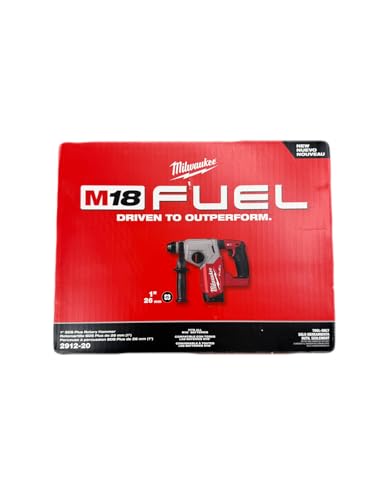
Milwaukee M18 FUEL 1-Inch SDS-Plus Rotary Hammer
Best for: M18 system users needing bind-up protection
- Voltage
- 18V
- Chuck Type
- SDS Plus
- Drilling Capacity
- 1"
- Motor Type
- Brushless
- Chuck Size
- 1 Inch
- Dimensions
- 13 × 15 × 5 inches
This 18V rotary hammer uses a brushless motor to drive a 1-inch SDS Plus chuck. It weighs 7.54 pounds and measures 15 inches long. The AUTOSTOP Control senses bind-ups to protect the tool. It fits the M18 System with over 200 solutions. You get steady power for masonry work without the cord.
- Brushless motor for efficient power delivery
- AUTOSTOP Control senses bind-ups
- 1-inch drilling capacity in masonry
- Part of the M18 System
- Heavier at 7.54 pounds compared to lighter 20V competitors
- 18V voltage provides less peak power than 20V models
- Longer 15-inch length may be bulky for tight spaces
- You already own M18 batteries and tools
- You need AUTOSTOP bind-up protection
- You prefer the reliability of a brushless motor
- You need the maximum power of a 20V system
- You want a lighter tool under 7 pounds
- You prefer a more compact design under 14 inches
Verdict: Milwaukee M18 Fuel 18V Rotary Hammer suits users invested in the M18 ecosystem who value bind-up protection over raw voltage. It delivers reliable performance for standard masonry tasks where weight and system compatibility matter most.
Specifications side by side
| Spec | DEWALT 20V MAX SDS Cordless Rotary Hammer | Milwaukee M18 FUEL 1-Inch SDS-Plus Rotary Hammer |
|---|---|---|
| Impact Energy | 2.1 Joules | – |
| Chuck Type | SDS | SDS Plus |
| Drilling Capacity | – | 1" |
| Operating Modes | Drill, Hammer Drill, or Chip | – |
| Voltage | 20V MAX | 18V |
| Motor Type | Brushless | Brushless |
| Chuck Size | – | 1 Inch |
| Included Tools | Hammer Drill | – |
| Power Source | Cordless | – |
| Configuration | Bare Tool | – |
| Set Type | Tool Only | – |
| Dimensions | 13 × 4.2 × 8.6 inches | 13 × 15 × 5 inches |
| Weight | 6.4 pounds | 7.54 pounds |
| Size | One Size | – |
| Color | Multi | Black Red Grey |
| Model | DCH273B | 2912-20 |
Frequently asked questions
Is 20V better than 18V for rotary hammers?
The 20V system offers higher potential power output. DEWALT uses a 20V MAX platform for its rotary hammer. This can provide more torque for tough concrete tasks. The 18V Milwaukee tool focuses on system compatibility. It suits users already invested in the M18 ecosystem. Choose based on your existing battery platform needs.
Does the DEWALT DCH273B include a battery?
No, the DEWALT DCH273B is a bare tool. It does not include a battery or charger. You must purchase these separately. The listing specifies it as a tool-only configuration. This allows you to use your existing 20V MAX batteries. It reduces upfront cost if you own the system.
How heavy is the DEWALT 20V rotary hammer?
The DEWALT DCH273B weighs 6.4 pounds. This makes it lighter than the Milwaukee option. Lower weight helps reduce user fatigue. It is useful for overhead structural mounting tasks. The compact design fits tight spaces. You benefit from easier handling during extended use.
What chuck type does the Milwaukee rotary hammer use?
The Milwaukee M18 FUEL uses an SDS-Plus chuck. This is a standard interface for masonry bits. It allows quick bit changes without tools. The chuck size is 1 inch. This provides secure bit retention during drilling. It is suitable for standard masonry tasks.
Which tool is better for vibration control?
The DEWALT DCH273B is better for vibration control. It includes SHOCKS ACTIVE VIBRATION CONTROL. This system reduces vibration at the handles. You experience less fatigue during long tasks. The Milwaukee tool does not mention this feature. Choose DEWALT if handling comfort is your priority.
Does the Milwaukee tool protect against bit bind-up?
Yes, the Milwaukee M18 FUEL offers bind-up protection. This feature helps prevent the bit from jamming. It is valuable for deep drilling in concrete. The tool suits users needing this safety feature. It delivers reliable performance for standard masonry work. Weight and system compatibility are also key benefits.
What is the impact energy of the DEWALT hammer?
The DEWALT DCH273B delivers 2.1 Joules of impact energy. This measures the force of each hammer blow. Higher joules mean faster drilling in hard materials. It is effective for structural mounting tasks. The Milwaukee tool does not list this spec. Compare this value if drilling speed in concrete matters most.
See also
Where to buy
at Amazon
Price taken from the listing when this page was written and it can change at any time. We may earn a commission if you buy through this link.
More Rotary Hammers
See the section


Get our picks by email
New reviews and the prices we spotted, once a week.