Cordless vs Corded Rotary Hammers in 2026: Key Differences
We compare cordless vs corded rotary hammer tools using published specifications. See how power sources, weight, and vibration control affect your drilling performance.
By GaugeKit Editorial Team 7 min read
As Amazon Associates, we earn from qualifying purchases. This means we may receive a small commission at no extra cost to you if you click through and make a purchase.
As an Amazon Associate we earn from qualifying purchases. Links on this page are affiliate links.
Choosing between a cordless vs corded rotary hammer depends on your power needs and job site setup. Both tools deliver hammer drilling capability for concrete and masonry. They share key features like SDS chucks and multiple operating modes for versatility. The main difference lies in their power source. One uses a 20V MAX battery system for mobility. The other relies on a 7.5 amp motor for continuous power. You must decide which balance of weight and runtime fits your work.
Power Source
20V MAX Cordless
7.5 Amp Corded
Motor Type
Brushless
Not listed
Impact Energy
2.1 Joules
2.0 ft-lbs
Chuck Type
SDS
SDS-Plus
Weight
6.4 pounds
10.4 pounds
Choose the first if
- You need mobility without a power outlet nearby.
- You prefer a lighter tool for overhead or repetitive use.
- You want a brushless motor for efficient runtime.
Choose the second if
- You require continuous power for long drilling sessions.
- You need a heavier tool for better downward force.
- You want a D-handle design for maximum control.
Verdict
The DEWALT cordless option suits users who prioritize portability and reduced fatigue. The Bosch corded model is better for jobs requiring sustained power and a stable grip. Choose based on whether battery freedom or constant amperage matters more to you.
Cordless vs Corded Rotary Hammers
Power Source
Edge: Tie
The DEWALT DCH273B is a cordless tool powered by a 20V MAX battery system. You need to purchase batteries and a charger separately, as this is a bare tool. This setup offers mobility without a power cord. The Bosch 11255VSR is a corded rotary hammer with a 7.5 amp motor. It plugs directly into a standard outlet. You get continuous power without worrying about battery charge levels. The corded design eliminates runtime anxiety but restricts movement to the length of your extension cord. Your choice depends on whether you prioritize untethered freedom or unlimited runtime.
Impact Energy
Edge: DEWALT 20V MAX SDS Cordless Rotary Hammer
Impact energy determines how effectively the tool breaks through hard materials like concrete. The DEWALT DCH273B delivers 2.1 Joules of impact energy. This metric is standard for cordless SDS rotary hammers. The Bosch 11255VSR provides 2.0 foot-pounds of impact energy. While the units differ, both tools offer comparable striking force for general masonry work. The DEWALT has a slight numerical edge in Joules. The Bosch matches this performance with its robust corded motor. For most drilling and chiseling tasks, both tools will perform similarly. Neither tool significantly outpaces the other in raw impact power.
Chuck Type
Edge: Bosch Bulldog Corded SDS-Plus Rotary Hammer
Both rotary hammers use SDS-style chucks for quick bit changes. The DEWALT DCH273B features an SDS chuck. The Bosch 11255VSR uses an SDS-Plus chuck. SDS-Plus is the most common standard for this class of tool. It allows for tool-free bit changes and automatic locking. The Bosch explicitly mentions 36 Vario lock positions for optimized chisel angles. The DEWALT data confirms the SDS interface but does not specify locking positions. Both systems accept a wide range of bits. The Bosch offers slightly more detail on angle adjustment flexibility, which helps in precision chiseling.
Weight
Edge: DEWALT 20V MAX SDS Cordless Rotary Hammer
Weight affects fatigue during extended use, especially overhead. The DEWALT DCH273B weighs 6.4 pounds. It is a bare tool, so you add the battery weight. The Bosch 11255VSR weighs 10.4 pounds. This is a heavier tool due to its corded motor and housing. The DEWALT is significantly lighter when you consider the total package with a typical battery. The Bosch is designed for stability and power, sacrificing some portability. If you are working on ceilings or for long periods, the lighter DEWALT reduces strain. The Bosch requires more physical effort to hold steady.
Included Accessories
Edge: Bosch Bulldog Corded SDS-Plus Rotary Hammer
What you get in the box varies between the two tools. The DEWALT DCH273B is sold as a bare tool only. You receive no battery, charger, or accessories. You must buy these separately. The Bosch 11255VSR includes an auxiliary handle, a depth gauge, and a carrying case. This makes it ready to use out of the box for basic tasks. The Bosch provides immediate value with essential accessories. The DEWALT requires additional investment to become functional. If you already have DEWALT batteries, this matters less. Otherwise, the Bosch includes more starter gear.
Motor Type
Edge: DEWALT 20V MAX SDS Cordless Rotary Hammer
The motor type influences efficiency and maintenance. The DEWALT DCH273B uses a brushless motor. Brushless motors are generally more efficient and have longer lifespans because they lack carbon brushes that wear out. They also offer better runtime on a single battery charge. The Bosch 11255VSR uses a 7.5 amp corded motor. The data does not specify if it is brushed or brushless. Corded motors often use traditional brushed designs in this price range. The DEWALT’s brushless technology offers a technical advantage in efficiency. This means less heat and potentially longer tool life for the DEWALT.
Choose Your Rotary Hammer
Users needing portability and low vibration
Our pick: DEWALT 20V MAX SDS Cordless Rotary Hammer
The DEWALT DCH273B weighs 6.4 pounds and features SHOCKS ACTIVE VIBRATION CONTROL. Its brushless motor and 20V MAX power source allow you to work without a cord. The lightweight design reduces fatigue during overhead drilling or rod hanging. You get 2.1 Joules of impact energy for efficient concrete drilling.
Pros requiring constant power and torque
Our pick: Bosch Bulldog Corded SDS-Plus Rotary Hammer
The Bosch 11255VSR uses a 7.5 amp corded motor for continuous operation. It delivers 0-5,800 BPM and 2.0 ft-lbs of impact energy. The D-handle design provides optimal control for heavy-duty tasks. You get variable speed control and a robust build for tough masonry applications without worrying about battery life.
Those needing precise bit positioning
Our pick: Bosch Bulldog Corded SDS-Plus Rotary Hammer
The Bosch tool offers Vario lock positioning with 36 bit positions. This allows you to quickly adjust the chiseling angle for detailed work. The SDS-Plus system ensures tool-free bit changes with automatic locking. You also get an auxiliary handle and depth gauge included for immediate setup and accurate drilling depth.
Users valuing compact tool dimensions
Our pick: DEWALT 20V MAX SDS Cordless Rotary Hammer
The DEWALT unit measures 13 inches in length and 6.4 pounds. Its compact size fits easily into tight spaces or tool bags. The rotating dial lets you switch between drill, hammer drill, and chip modes instantly. You benefit from a durable German-engineered mechanism that maintains performance in a smaller, more manageable form factor.
| # | Product | Best for | Price |
|---|---|---|---|
| 1 | DEWALT 20V MAX SDS Cordless Rotary Hammer | cordless concrete drilling with vibration control | |
| 2 | Bosch Bulldog Corded SDS-Plus Rotary Hammer | Heavy-duty concrete drilling with steady power |
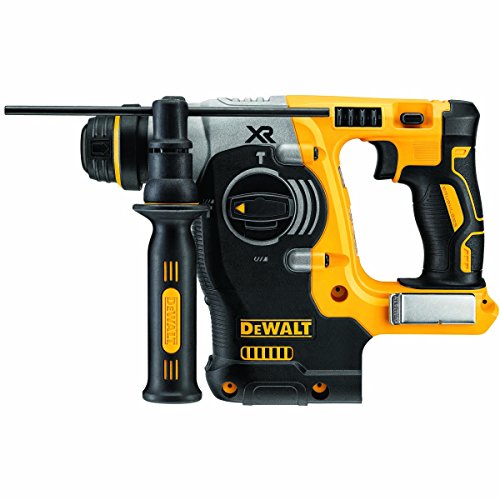
DEWALT 20V MAX SDS Cordless Rotary Hammer
Best for: cordless concrete drilling with vibration control
- Power Source
- Cordless
- Impact Energy
- 2.1 Joules
- Chuck Type
- SDS
- Operating Modes
- Drill, Hammer Drill, or Chip
- Voltage
- 20V MAX
- Motor Type
- Brushless
This cordless rotary hammer delivers 2.1 Joules of impact energy for drilling in concrete. It features a brushless motor and a rotating dial for selecting between drill, hammer drill, and chip modes. The unit weighs 6.4 pounds and includes Active Vibration Control to reduce handle feedback. It is designed for tasks like rod hanging and strut mounting. This bare tool model requires a separate battery and charger.
- 2.1 Joules of impact energy for concrete drilling
- Brushless motor for efficient runtime
- Active Vibration Control reduces handle feedback
- Three application modes via rotating dial
- 2.1 Joules of impact energy is lower than corded competitors
- 6.4 pounds weight is heavier than standard cordless drills
- Sold as a bare tool without battery or charger
- You need cordless mobility for overhead work
- You already own DEWALT 20V batteries
- You require vibration reduction for extended use
- You need maximum impact energy for heavy masonry
- You want a complete kit with battery included
- You prefer the lighter weight of standard drills
Verdict: DEWALT 20V Brushless Rotary Hammer suits contractors who already use the 20V system and need vibration control. It fits users who prioritize cordless freedom over raw drilling power.

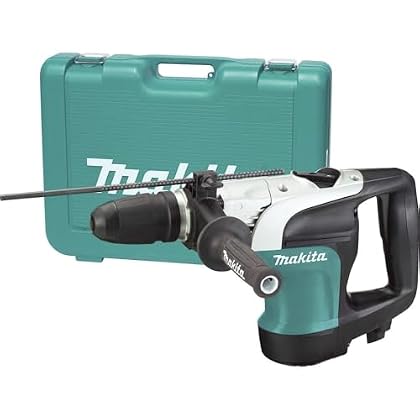
Bosch Bulldog Corded SDS-Plus Rotary Hammer
Best for: Heavy-duty concrete drilling with steady power
- Power Source
- Corded
- Impact Energy
- 2.0 ft-lbs
- Chuck Type
- SDS-Plus
- Drilling Capacity
- 1 in
- Operating Modes
- Rotation, rotary hammer, hammer only
- Amperage
- 7.5 A, 8 A
This Bosch rotary hammer uses a 7.5 amp motor for consistent power. It delivers 2.0 ft-lbs of impact energy and reaches 5,800 BPM. The SDS-Plus chuck allows quick bit changes. You get three operation modes for drilling or chiseling. Vibration control helps during long jobs. This corded tool suits users who need reliable performance without battery swaps.
- 7.5 amp motor provides steady power
- 2.0 ft-lbs impact energy for tough concrete
- SDS-Plus chuck for fast bit changes
- Vibration control reduces user fatigue
- Three operation modes for versatility
- Heavier at 10.4 pounds compared to lighter cordless options
- Requires a power outlet due to corded design
- Lower impact energy than high-end corded models
- You work in locations with easy access to power outlets
- You need consistent power for heavy-duty concrete drilling
- You prefer the balance of a D-handle for overhead work
- You need maximum portability without a power cord
- You want a lighter tool for extended overhead use
- You require high impact energy for large diameter holes
Verdict: Bosch 11255VSR Corded Rotary Hammer fits professionals who prioritize steady power and vibration control over portability. It is ideal for jobsites with reliable electrical access.
Specifications side by side
| Spec | DEWALT 20V MAX SDS Cordless Rotary Hammer | Bosch Bulldog Corded SDS-Plus Rotary Hammer |
|---|---|---|
| Impact Energy | 2.1 Joules | 2.0 ft-lbs |
| Chuck Type | SDS | SDS-Plus |
| Drilling Capacity | – | 1 in |
| Operating Modes | Drill, Hammer Drill, or Chip | Rotation, rotary hammer, hammer only |
| Voltage | 20V MAX | – |
| Amperage | – | 7.5 A, 8 A |
| Motor Type | Brushless | – |
| Impact Rate | – | 0-5,800 BPM |
| Chuck Size | – | 1 Inch |
| Included Tools | Hammer Drill | Hammer Drill |
| Speed | – | Variable Speed |
| Power Source | Cordless | Corded |
| Application | – | Concrete |
| Configuration | Bare Tool | – |
| Set Type | Tool Only | – |
| Dimensions | 13 × 4.2 × 8.6 inches | 22.5 × 11.3 × 4.75 inches |
| Weight | 6.4 pounds | 10.4 pounds |
| Size | One Size | Each |
| Color | Multi | Blue |
| Model | DCH273B | 11255VSR |
Frequently asked questions
Which rotary hammer is better for overhead drilling?
The DEWALT DCH273B is better for overhead work. It weighs only 6.4 pounds, making it easier to manage above your head. The Bosch 11255VSR is heavier at 10.4 pounds. Its corded design also limits your movement. You will experience less fatigue with the lighter cordless option.
Does the cordless rotary hammer need a battery?
Yes, you need a battery to operate the DEWALT DCH273B. This model is sold as a bare tool. You must buy the 20V MAX battery and charger separately. This allows you to use existing batteries if you are already in the DEWALT 20V ecosystem.
Can I use SDS-Plus bits with these tools?
Both tools accept SDS-Plus bits. The Bosch 11255VSR explicitly features an SDS-Plus chuck. The DEWALT DCH273B is also an SDS rotary hammer. You can use standard SDS-Plus drill bits and chisels with either machine for concrete and masonry applications.
Is there a variable speed setting on these hammers?
The Bosch 11255VSR includes a variable speed trigger. This lets you control the rotation rate precisely. The DEWALT DCH273B specifications do not list variable speed. You should check the specific DEWALT manual for its speed control features. The Bosch offers more adjustable speed options.
Which tool is more portable for job sites?
The DEWALT DCH273B is more portable. It has no power cord, giving you full mobility. The Bosch 11255VSR requires a nearby electrical outlet. Its 22.5-inch length and 10.4-pound weight make it less convenient to carry around. You can move freely with the cordless model.
What is the weight difference between these models?
The DEWALT DCH273B weighs 6.4 pounds. The Bosch 11255VSR weighs 10.4 pounds. The cordless tool is 4 pounds lighter. This weight difference matters for long-term comfort. You will feel less strain in your arms when using the lighter DEWALT unit.
Do I need to buy a charger for the cordless hammer?
Yes, you need a charger for the DEWALT DCH273B. It is sold as a tool-only bare tool. The package does not include a battery or charger. You must purchase these items separately to get the tool running. Check your existing DEWALT accessories first.
See also
Where to buy
at Amazon
Price taken from the listing when this page was written and it can change at any time. We may earn a commission if you buy through this link.
More Rotary Hammers
See the section


Get our picks by email
New reviews and the prices we spotted, once a week.