Raynox DCR-250 Review: An Easy Macro Upgrade for New Photographers
Getting started with close-up photography can feel intimidating for beginners, especially when dedicated macro lenses often require specialized camera skills and bulky gear bag additions. Anyone hoping to photograph tiny garden insects,…
By Hannah Dixon 9 min read


Our verdict
Scores are out of 10, based on listed specifications and buyer feedback — not from testing of our own
The Raynox DCR-250 is an ingenious optical attachment that transforms standard zoom lenses into capable macro tools using a spring-loaded universal adapter. It is an ideal gift or starter tool for hobbyists who want to explore high-magnification nature and hobby photography without changing their main camera setup.
- High-index optical glass design provides sharp close-up images across zoom lenses
- Spring-loaded snap-on mount fits filter thread diameters from 52mm up to 67mm
- Compact and lightweight 60-gram body packs easily into any everyday camera bag
- Extremely shallow focus plane requires steady hands or small aperture adjustments
Where to buy
at Amazon Prime
Price taken from the listing on 18 Sep 2026 and it can change at any time. We may earn a commission if you buy through this link.
Pros
- Universal snap-on mount fits 52mm to 67mm filter threads
- High-index three-element coated optical glass construction
- Powerful 8-diopter magnification for detailed close-ups
- Lightweight 60-gram body packs easily anywhere
- Includes lens optic cleaning pen and microfiber cloth
Cons
- Extremely shallow depth of field requires precise manual focusing
- Can cause vignetting on wider focal lengths
- Requires separate step rings for filters under 52mm
As Amazon Associates, we earn from qualifying purchases. This means we may receive a small commission at no extra cost to you if you click through and make a purchase.
Getting started with close-up photography can feel intimidating for beginners, especially when dedicated macro lenses often require specialized camera skills and bulky gear bag additions. Anyone hoping to photograph tiny garden insects, delicate flower petals, or intricate craft textures usually discovers that ordinary kit lenses cannot focus closely enough to capture those miniature details. The Raynox DCR-250 macro lens conversion tool offers an accessible bridge into this world by attaching straight to the front of camera lenses you already have. Instead of forcing you to take off your primary lens in dusty outdoor conditions, this compact glass converter snaps over your existing filter threads and shortens the minimum focusing distance so tiny subjects fill the frame.
For first-time buyers exploring macro photography and gift-givers seeking a creative accessory, the Raynox DCR-250 delivers remarkable close-up magnification without the complexity of carrying dedicated secondary lenses. It produces impressive central clarity thanks to multi-element glass, though newcomers should prepare for an extremely narrow depth of field and manual focusing adjustments when capturing subjects up close.
Raynox DCR-250 Features Explained
High-Index Coated Optical Glass Construction
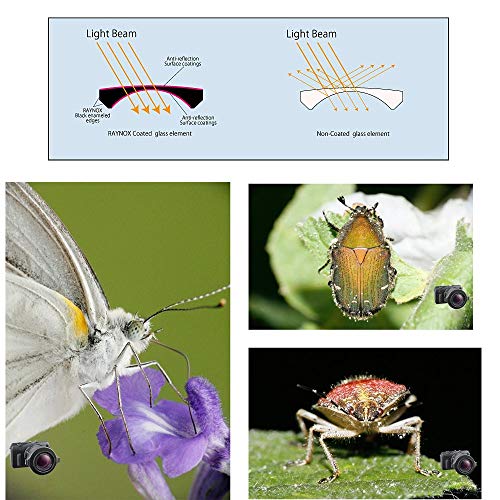
Many basic close-up filters are simple single-element magnifiers that suffer from severe optical distortion, chromatic aberration, and color fringing along high-contrast borders. The Raynox DCR-250 macro attachment avoids these common pitfalls by using two optical groups containing three separate elements of high-index coated glass. This multi-element configuration corrects optical imperfections so that fine textures, like insect wings or botanical stamens, retain rich contrast and crisp detail across your frame.
Because the raynox dcr-250 optical glass is properly coated, it reduces internal reflections and unwanted glare when shooting outdoors in bright sunlight. Photographers experimenting with macro details will appreciate that the glass preserves natural color balance, delivering clarity that far exceeds standard screw-on magnifying filters while keeping the overall optical assembly tiny and manageable.
Universal Snap-On Mounting Mechanism
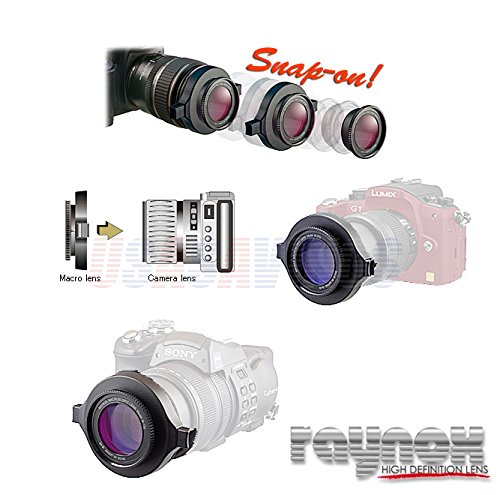
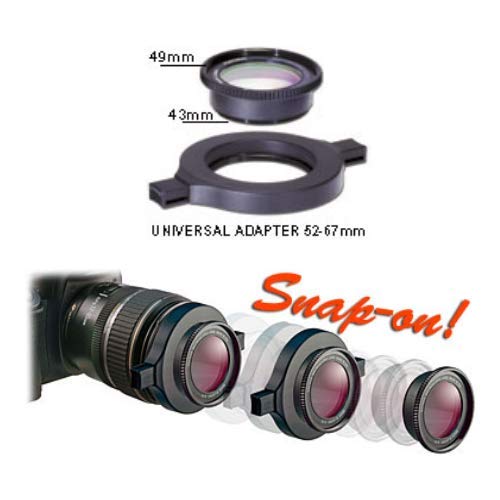
One of the most user-friendly aspects of this unit is the included UAC2000 universal adapter, which replaces tedious screw-in mounts with a quick-release spring mechanism. The raynox dcr-250 snap-on mount features flexible side pinch tabs that expand to grip filter threads measuring between 52mm and 67mm in diameter. This range covers standard kit zooms, popular prime lenses, and mid-range telephoto barrels without requiring separate dedicated mounting rings for every single lens you own.
If you prefer a direct threaded setup or use smaller step rings, the core optic unscrews from the universal bracket to reveal a 43mm rear thread with a 0.75mm pitch. This modular flexibility makes the raynox dcr-250 compatibility broad enough for camcorders, mirrorless lenses, and traditional digital SLRs alike, ensuring that future lens upgrades will not render the adapter obsolete.
High Magnification with 8-Diopter Power
The Raynox DCR-250 close-up lens delivers an 8-diopter optical strength, which drastically reduces the distance your camera lens needs to achieve focus. In practical terms, this diopter strength provides a 2.5x macro enhancement factor that performs best when mounted to telephoto focal lengths. When paired with a telephoto zoom such as the canon ef-s 55-250mm f/4-5.6 is stm, setting your zoom toward the longer telephoto end unlocks maximum close-up reproduction, letting you fill the viewfinder with coins, stamps, or water droplets.
Achieving this level of raynox dcr 250 magnification does come with an optical trade-off that beginners must understand: the in-focus plane becomes paper-thin. At 8 diopters, moving your camera forward or backward by even a single millimeter will shift your subject out of sharp focus, making patient breathing, a steady posture, or gentle manual focusing adjustments essential for landing crisp shots.
Front Threading and Portable Lightweight Body
Weighing just 60 grams (2.1 ounces) and measuring a modest 18mm thick by 53mm wide, this macro conversion lens slips effortlessly into a jacket pocket or small accessory pouch. It adds virtually no noticeable front-heavy strain to compact camera bodies, plastic lens barrels, or lightweight travel tripods. It lets you carry a macro-capable setup on family trail walks or garden visits without hauling a dedicated heavy macro prime.
Additionally, the front of the optical housing features a 49mm thread with a 0.75mm pitch. This allows users to screw on 49mm protective filters, specialized small lens hoods, or macro lighting rings directly in front of the glass elements. This thoughtful inclusion ensures your front glass stays shielded during outdoor exploration near dewy leaves and rough surfaces.
Included Cleaning and Maintenance Accessories
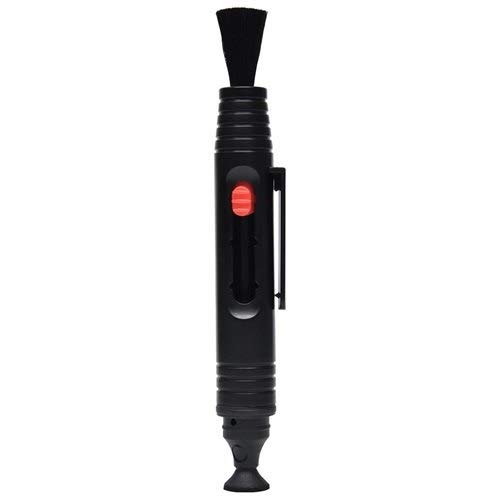
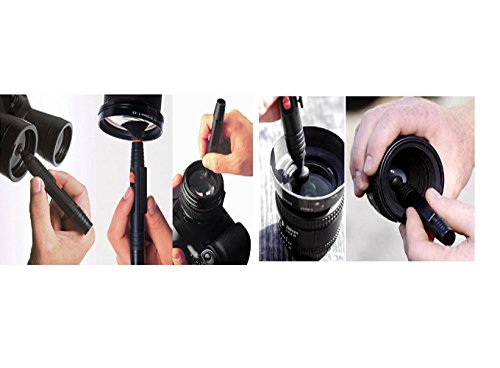
Working in macro photography means bringing your front lens close to outdoor elements, where pollen, stray moisture, and dust specks can quickly smudge the glass and appear prominently in your high-magnification images. This specific retail bundle packages the Raynox DCR-250 with a dedicated lens optic pen cleaner and a VCC113 micro-fiber cleaning cloth to address that exact issue. The optic pen offers a soft dusting brush alongside a gentle cleaning tip designed to lift away stubborn smudges and fingerprints without scratching delicate multi-coatings.
The package also includes protective front and rear lens caps, an instruction manual, and a dedicated storage case to keep the adapter secure when tucked into a pocket or daypack. Having dedicated cleaning tools immediately at hand ensures beginners can keep their optics pristine in the field without hunting for extra lens maintenance supplies.
Specs
Reviewing the published raynox dcr 250 specs helps photographers determine how this optical attachment matches their current camera lenses and filter threads.
| Magnification Strength | 8-Diopter (2.5x Super Macro rating) |
|---|---|
| Optical Construction | 3 elements in 2 groups, coated high-index optical glass |
| Snap-On Mount Range | 52mm to 67mm filter threads via UAC2000 adapter |
| Rear Thread Size | 43mm (0.75mm pitch) |
| Front Filter Thread | 49mm (0.75mm pitch) |
| Dimensions | 18mm height by 53mm diameter |
| Weight | 60 grams (2.1 ounces) |
| Focus Type | Manual focus adjustment |
| Zoom Ratio | 1.29:1 specified in listing details |
| Listed Mount Compatibility | Micro Four Thirds (universal snap-on fits 52mm-67mm threads) |
As published by the manufacturer on the Amazon listing.
Buy it if
Best Use Cases
- Backyard nature walks where you want to capture fine textures on flower petals, leaves, and resting garden insects without lugging dedicated specialty glass.
- Hobbyists documenting handmade crafts, miniature figurine paint jobs, or fine jewelry details in well-lit indoor tabletop settings.
- Casual travel photography where saving backpack space and weight takes priority over packing large specialized macro prime lenses.
- Learning close-up focusing discipline, framing control, and depth-of-field management on an affordable starter camera kit.
Think twice if
Before You Buy
Before purchasing the Raynox DCR-250, you should verify the filter thread diameter on the front of your existing lenses to guarantee raynox dcr-250 compatibility. The bundled snap-on adapter fits lenses with front filter threads from 52mm to 67mm. If your favorite lens has smaller threads, such as 46mm or 49mm, or wider professional glass like the rf 28-70mm f2.8 with larger front diameters, you will need separate step-up or step-down adapter rings because the universal clip will not seat properly on its own. It is also worth noting that using this macro adapter on wide-angle focal lengths often causes severe mechanical vignetting, producing dark circular borders around your image; for best results, pair it with standard zoom or telephoto focal lengths above 50mm.
Shoppers should also understand the optical realities not detailed in the manufacturer listing. The listing specifies manual focus operation, a 1.29:1 zoom ratio, optical image stabilization, and Micro Four Thirds compatibility, but it does not specify exact working distances in centimeters or autofocus tracking behavior across different camera brands. Furthermore, while dedicated standalone options like the ttartisan 100mm f28 2x macro provide built-in aperture mechanisms and full manual focus barrels, the Raynox relies entirely on your primary lens’s mechanics. Because close-up photography dramatically limits ambient light hitting the sensor, the listing does not include auxiliary flash units or lighting brackets, which you may eventually need when shooting small subjects at narrow apertures.
Bottom Line
When asking whether the Raynox DCR-250 is worth it, the answer depends entirely on your photographic goals and willingness to practice close-focus technique. For hobbyists, beginners, and gift recipients who already own a versatile zoom lens—such as the kit lenses found in a canon eos r50 bundle—this macro attachment provides an exciting, low-bulk gateway into miniature photography. Its quality three-element optical design delivers surprising clarity without the steep investment of a standalone macro lens.
While mastering the paper-thin depth of field demands steady hands and good lighting, the Raynox DCR-250 for beginners remains one of the smartest and most flexible macro accessories on the market. It encourages spontaneous outdoor exploration and breathes new creative life into the lenses already sitting in your camera bag.
FAQ
How does the snap-on adapter work?
The Raynox DCR-250 uses an included UAC2000 universal adapter featuring spring-loaded side clips. Squeezing the side release tabs allows you to snap the unit directly into the front filter threads of any lens measuring between 52mm and 67mm. It securely grips the internal threads without requiring you to screw the adapter on, making attachment and removal quick and effortless in the field.
Can the Raynox DCR-250 be used with autofocus?
While the Amazon product specifications list manual focus for the attachment, autofocus functionality depends primarily on your main camera lens. However, because an 8-diopter close-up lens makes the depth of field exceptionally thin, camera autofocus systems often struggle or hunt back and forth. Most photographers achieve the sharpest results by setting their lens to manual focus and gently leaning in or out until the subject snaps into crisp focus.
What does an 8-diopter rating mean for close-up photos?
A diopter rating measures the optical power of a magnifying lens. An 8-diopter rating represents substantial magnifying strength, which dramatically shortens the minimum focusing distance of your host lens. This allows you to stand much closer to tiny subjects, enabling small details like flower pistils or tiny insects to fill the entire camera frame when your zoom lens is extended to telephoto focal lengths.
Will this macro attachment cause dark corners on my photos?
Vignetting, or dark circular shading around the frame edges, can occur if you use the Raynox DCR-250 on wide-angle lenses or wide zoom settings. Because the rear opening of the adapter is smaller than wide front lens elements, wide focal lengths capture the outer rim of the adapter. To eliminate dark corners completely, simply zoom your lens into standard or telephoto ranges, generally 50mm or longer on most consumer zoom lenses.
Does this adapter work on camcorders and bridge cameras?
Yes, the manufacturer specifies that the Raynox DCR-250 is suitable for high-definition camcorders as well as standard digital cameras. As long as your camcorder or fixed-lens bridge camera features front filter threading between 52mm and 67mm, the snap-on adapter will mount securely to capture magnified video footage and close-up still images.
Where to buy
at Amazon Prime
Price taken from the listing on 18 Sep 2026 and it can change at any time. We may earn a commission if you buy through this link.
More Cameras & Drones
See the section


Get our picks by email
New reviews and the prices we spotted, once a week.