TCL RayNeo X2 Review: What First-Time AR Buyers Must Know
Wearable technology has promised for years to blend digital intelligence into everyday sight, yet early attempts often left users tangled in external cords or tethered directly to mobile devices. For newcomers and…
By Sean Fairbanks 9 min read


Our verdict
Scores are out of 10, based on listed specifications and buyer feedback — not from testing of our own
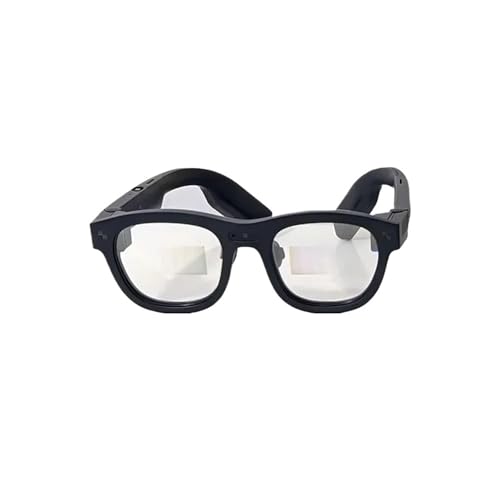
The TCL RayNeo X2 establishes an impressive benchmark for consumer smart eyewear by offering untethered spatial computing and vivid binocular Micro-LED optics in a self-contained frame. It is ideally tailored for adventurous tech enthusiasts and international travelers who will benefit immediately from real-time dialogue translation and heads-up navigation, provided they appreciate the exploratory nature of early-generation wearable computing.
- Untethered Snapdragon XR2 architecture delivers true standalone functionality without running cords to a smartphone.
- Binocular full-color Micro-LED optical waveguides deliver up to 1,500 nits of peak brightness for clear overlays.
- AI-powered multi-language translation translates 8 languages using face tracking and real-time floating subtitles.
- Interactive 3D navigation pairs a SLAM tracking system with gesture recognition to map nearby landmarks.
Where to buy
at Amazon
Price taken from the listing on 18 Sep 2026 and it can change at any time. We may earn a commission if you buy through this link.
Pros
- Standalone Snapdragon XR2 processing without tethering cables
- Binocular full-color Micro-LED waveguides with 1,500 nits brightness
- Real-time 8-language AI translation with face-tracking subtitles
- Built-in 3D SLAM navigation with gesture recognition
- 16MP front camera for hands-free 1080p POV video
- Dual whisper-mode speakers protect conversational privacy
Cons
- Listing does not specify battery capacity or runtime
- Unclear if RayNeo Ring controller is included in box
- Listing details show unusual seller brand attribution
As Amazon Associates, we earn from qualifying purchases. This means we may receive a small commission at no extra cost to you if you click through and make a purchase.
Wearable technology has promised for years to blend digital intelligence into everyday sight, yet early attempts often left users tangled in external cords or tethered directly to mobile devices. For newcomers and thoughtful gift-givers seeking an approachable entry point into smart eyewear, navigating technical jargon like optical waveguides and spatial mapping can feel daunting. Everyday explorers want an intuitive heads-up display that can translate international conversations on the spot, provide effortless turn-by-turn walking directions, and capture hands-free moments without drawing awkward attention.
In this comprehensive look at the TCL RayNeo X2, we explore how this all-in-one wearable tackles the challenge of cord-free augmented reality. Built as standalone smart glasses powered by Qualcomm processing, binocular color waveguides, and integrated artificial intelligence, the hardware aims to deliver practical utility right in front of your eyes. Our verdict is that the eyewear delivers an astonishing glimpse into the next era of wearable technology for early adopters and travelers, though prospective buyers should carefully review the specific hardware details and unconfirmed package components before making a purchase decision.
TCL RayNeo X2 Features Explained
RayNeo X2 Micro LED Display and Optical Waveguides
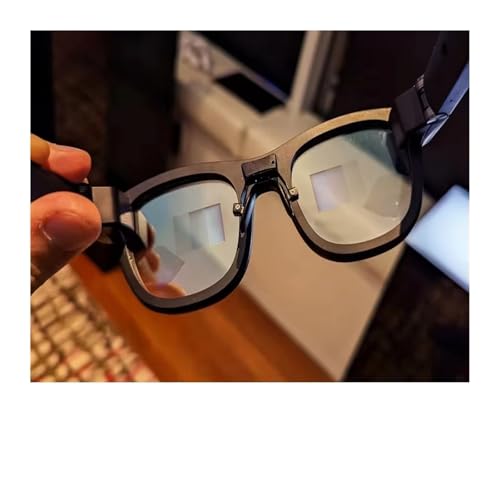
The visual foundation of the glasses relies on a binocular full-color Micro-LED optical waveguide display. Unlike traditional video glasses that project a semi-transparent floating screen using reflective birdbath prisms, optical waveguides direct light through microscopic internal structures inside the glass itself. This approach allows the lenses to remain transparent, so you can make natural eye contact with people while digital graphics appear overlaid seamlessly onto your physical environment. Delivering an astounding contrast ratio of 100,000 to 1 alongside peak brightness levels reaching up to 1,500 nits, the visual overlay remains sharp and legible across diverse lighting environments.
For users who appreciate cutting-edge display clarity akin to premium home screens like the tcl 75 inch class qm8k series, having vibrant Micro-LED color reproduction in both eyes prevents the eye fatigue often caused by single-eye monocular displays. The binocular configuration means virtual content integrates comfortably across your entire visual field, whether you are examining a digital navigation path or reviewing incoming text notifications.
AI-Powered Dialogue Translation and Subtitles
Language barriers represent one of the most stressful hurdles during international travel, and the built-in translation suite is tailored specifically to solve this problem. Utilizing an array of three noise-cancelling directional microphones paired with an onboard 16-megapixel camera, the system detects foreign speech and applies face tracking to pinpoint who is speaking in your field of view. The integrated artificial intelligence then generates real-time translated subtitles that appear suspended right next to the speaker.
This dialogue translation system supports 8 languages, functioning as an interactive personal interpreter during travel, overseas business meetings, or multicultural events. Because the directional microphones isolate speech while filtering out ambient street noise, automatic speech recognition can maintain high accuracy without forcing you to pull out a mobile translation app or hold a separate microphone between speakers.
TCL RayNeo X2 Smart Navigation and SLAM Tracking
Navigating unfamiliar city centers typically requires staring down at a phone screen, which disconnects you from your surroundings and poses safety risks at busy intersections. The eyewear solves this through voice-guided 3D interactive navigation driven by an integrated Simultaneous Localization and Mapping system, commonly referred to as SLAM. This spatial computing framework enables the glasses to map physical terrain in real time, locking navigational waypoints and floating directional arrows directly onto streets, walkways, and turns.
The heads-up mapping interface also incorporates gesture recognition and displays nearby landmarks as you walk. Rather than hearing detached audio prompts, you see intuitive digital markers guiding your steps toward cafes, subway entrances, or historic monuments. By keeping your gaze forward and your hands free, walking through bustling transit hubs or foreign capitals becomes a smooth, stress-free experience.
Snapdragon XR2 Platform and Standalone Hardware
Many smart glasses on the market function merely as wearable external monitors, requiring a physical USB-C cable attached to a compatible phone or external battery pack. In contrast, this device operates as a true standalone spatial computer powered by the Qualcomm Snapdragon XR2 platform. Backed by 6GB of RAM and 128GB of internal storage, the glasses run navigation algorithms, translation engines, and interactive media directly on the frame itself without mandatory tethering cables.
While compact wearable displays like the tcl d1 pro serve as lightweight mirrored screens for portable gaming consoles and smartphones, the self-contained processing of the RayNeo X2 gives you true independence from mobile devices. The onboard memory allows you to store apps, capture high-resolution photos, record videos, and enjoy panoramic media directly within the wearable ecosystem.
Integrated Audio, Front Camera, and Versatile Controls
Capturing daily memories and managing communication is streamlined through a front-facing 16-megapixel camera capable of recording first-person point-of-view video at 1080p resolution and 30 frames per second. This perspective allows you to document family outings, vacation sights, or instructional tasks exactly as you see them without needing a handheld camera or smartphone mount. Dual integrated temple speakers feature a dedicated Whisper mode to channel acoustic output toward your ears, helping safeguard conversational privacy during calls and audio playback.
Operating the device is remarkably adaptable thanks to three distinct control mechanisms. You can swipe and tap using the touch-sensitive temple controls on the frame, issue hands-free voice commands, or use the wireless RayNeo Ring controller for subtle finger-based selections. If you enjoy wearable personal sound enhancements similar to dedicated audio accessories like the rayneo sound tube, the onboard directional sound pick-up and stereoscopic acoustic playback provide balanced everyday media listening without plugging your ears with earbuds.
Specs
| Display Type | Binocular Full-Color Micro-LED Optical Waveguide |
|---|---|
| Contrast Ratio | 100,000:1 |
| Maximum Image Brightness | Up to 1,500 nits |
| Processor Platform | Qualcomm Snapdragon XR2 |
| System Memory and Storage | 6GB RAM + 128GB Storage |
| Front Camera Resolution | 16 MP (1080P at 30 fps video filming) |
| Audio System | 2 Speakers with Whisper Mode |
| Microphone Array | 3 Noise-Cancelling Directional Sound Pickup Microphones |
| Spatial Tracking and Sensors | SLAM System with Gesture Recognition |
| Control Methods | Temple Touch Controls, RayNeo Ring, Voice Commands |
As published by the manufacturer on the Amazon listing.
Buy it if
Best Use Cases
- International vacation travel where instant 8-language face-tracking dialogue translation eliminates conversational language hurdles.
- Hands-free urban exploration and daily walking commutes using heads-up 3D navigation with floating landmark indicators.
- First-person point-of-view documentation allowing creators and parents to capture 1080p video clips without holding a mobile phone.
- Discreet communication and notification management using directional whisper-mode temple speakers and push notifications.
- Private panoramic media viewing and casual gaming using immersive 360-degree virtual picture rendering.
Think twice if
Before You Buy
Before purchasing the TCL RayNeo X2, shoppers should take time to evaluate the specific details provided on the retail listing. The listing lists the brand as XFHEVTXII and references the model name, manufacturer, and model number as TYC Auto Parts Station, with built-in media noted as an AC Adapter. While the product description highlights support for the wireless RayNeo Ring controller alongside temple touch and voice commands, the listing does not specify whether the RayNeo Ring accessory is bundled directly inside the retail package or sold separately. Gift-givers should keep this in mind if a complete multi-accessory kit is expected out of the box.
Additionally, wearable battery expectations require realistic assessment. Running standalone mobile computing, cellular or Wi-Fi data links, twin micro-LED optical waveguide displays, and real-time computer vision sensors creates significant electrical demand. The listing does not specify the battery capacity in milliamp-hours or the estimated continuous runtime hours for heavy features like live video filming, SLAM navigation, or continuous translation. Buyers planning extensive day-long outdoor excursions should prepare for frequent top-offs using a portable power bank or the included adapter.
Bottom Line
The TCL RayNeo X2 pushes consumer wearable augmented reality substantially closer to everyday practicality. By combining an untethered Qualcomm Snapdragon XR2 processor, a stunning 1,500-nit binocular full-color Micro-LED optical waveguide display, and intuitive AI-assisted translation, it liberates users from the awkward cables and bulky phone clips of past generations. It excels as a futuristic tool for frequent international flyers, early adopters, and spatial computing enthusiasts who desire hands-free digital convenience.
While the hardware specifications represent an outstanding technical achievement, mainstream buyers should recognize that standalone smart eyewear remains an emerging product category. The lack of detailed battery endurance figures and curious third-party seller branding details on the listing mean that prospective buyers should approach their purchase with clear expectations. For those ready to step directly into the future of personal heads-up computing, this wearable delivers a truly captivating visual experience.
FAQ
Is the TCL RayNeo X2 worth it for casual everyday wear?
For early adopters, tech enthusiasts, and frequent international travelers, the glasses offer compelling value through their standalone processor and innovative optical waveguide screen. However, casual buyers seeking a simple pair of lightweight sunglasses with basic audio playback may find the advanced spatial computing features and larger frame dimensions more complex than necessary for everyday errand running.
What is the TCL RayNeo X2 battery life during travel?
The listing does not specify the exact battery capacity or runtime hours. Because standalone augmented reality glasses power onboard computing, twin micro-LED displays, wireless radios, and three microphones simultaneously, battery endurance will naturally vary based on whether you are running demanding tasks like 3D SLAM navigation or simpler functions like checking message notifications.
How does the TCL RayNeo X2 translation feature function during conversations?
The glasses use three directional noise-cancelling microphones to pick up spoken words while the front camera utilizes face tracking to identify who is addressing you. The artificial intelligence system then automatically transcribes the foreign speech and displays real-time subtitles across your field of view in one of 8 supported languages, letting you maintain natural eye contact throughout the dialogue.
Can the RayNeo X2 display be clearly seen outdoors in direct sunlight?
Yes, the binocular full-color Micro-LED optical waveguide display provides a maximum image brightness reaching up to 1,500 nits and a 100,000 to 1 contrast ratio. This high luminance allows virtual waypoints, text notifications, and translation subtitles to remain distinctly visible against bright outdoor daylight and city streets.
Do these smart glasses require a physical cable connected to a phone?
No, these glasses feature a self-contained Snapdragon XR2 architecture with 6GB of RAM and 128GB of onboard storage. This standalone configuration means you do not need to keep a video cable running to your smartphone or pocket computer to access smart assistant features, capture media, or run built-in spatial applications.
Where to buy
at Amazon
Price taken from the listing on 18 Sep 2026 and it can change at any time. We may earn a commission if you buy through this link.
More Wearables & Smart Home
See the section


Get our picks by email
New reviews and the prices we spotted, once a week.